
Shop Water Treatment Products
Lancaster, PA Water Softeners & Water Filters
Deals
Don’t Miss Out On Special Offers For Lancaster, Pennsylvania Residential Water Treatment Products
Are There Contaminants In Lancaster, Pennsylvania Tap Water?
Get a FREE Water Test!
- No mailing — fast results!
- Test any tap in your home
- NEW flexible sample pickup options

FAQ
Additional Information On Lancaster, PA Tap Water
Is Lancaster tap water safe to drink?
Lancaster tap water is treated to meet state and federal drinking water requirements. The local report still shows PFAS, chlorine, disinfection byproducts, lead, copper, fluoride, barium, nickel, and other trace substances in the water. Many residents choose filtration because even regulated or low-level contaminants can still raise concerns with daily drinking, cooking, and long-term exposure.
Why does Lancaster water seem hard in some neighborhoods?
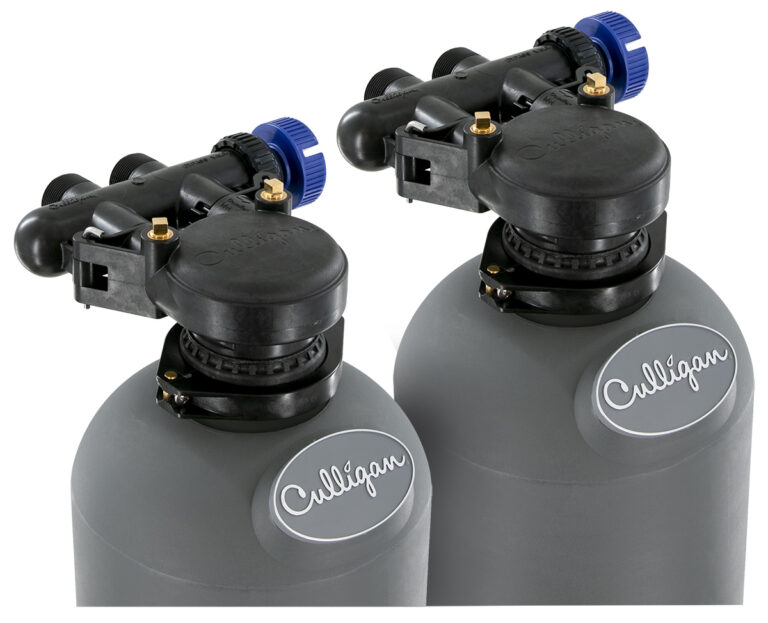
Hardness can vary by treatment plant supply, blending, and neighborhood. Hard water is usually caused by calcium and magnesium, which can leave scale on faucets, shower doors, water heaters, and appliances. A water softener is the main solution for reducing hardness minerals throughout the home.
What causes mineral buildup on faucets and shower doors?
Mineral buildup usually comes from hard water drying on surfaces. Over time, it can leave spots, cloudy residue, crusty buildup, and scale inside plumbing-connected appliances. If you see buildup on fixtures or dishes, a water softener can help protect your home and make cleaning easier.
Is chlorine present in Lancaster tap water?
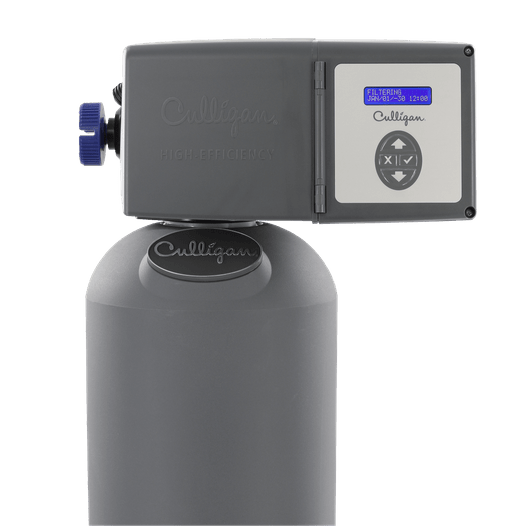
Yes. Chlorine was reported with a highest average result of 0.78 ppb. Chlorine helps disinfect water as it moves through the distribution system, but it can also affect taste, smell, and shower comfort. Whole-home carbon filtration can help reduce chlorine taste and odor throughout the house.
Are disinfection byproducts present in Lancaster water?
Yes. Haloacetic acids, or HAA5s, were reported 56 ppb, and trihalomethanes, or TTHMs, were reported 75.2 ppb. The range of detections was even higher, with HAA5s reaching 93.6 ppb and TTHMs reaching 148 ppb. These compounds form when disinfectants react with naturally occurring organic matter in water. Even when systems are managed under drinking water rules, many households choose carbon filtration or reverse osmosis to reduce long-term exposure at the tap.
Does Lancaster water contain PFAS?
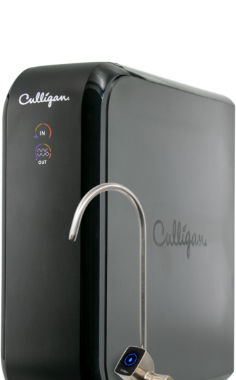
Yes. Lancaster water reported several PFAS detections, including PFBS at 1.86 ppt, PFOS at 2.01 ppt, and PFOA at 2.02 ppt. PFAS are a concern because they are long-lasting chemicals that can build up over time. Even trace detections can be enough for homeowners to want added protection, especially for water used every day for drinking and cooking. Reverse osmosis is one of the most common options for reducing PFAS at the kitchen sink.
Were there PFAS violations in Lancaster?
Yes. The report notes PFOA exceedance violations connected to the Conestoga Water Treatment Plant. Sample results showed PFOA levels above the long-running annual average maximum contaminant level of 14 ppt per trillion. The city reported that its LRAA later measured 13.4 ppt and that it is evaluating treatment upgrades at the Conestoga Water Treatment Plant, along with alternative water sources. For homeowners, this is one of the strongest reasons to consider reverse osmosis for drinking and cooking water.
Was there a chlorine reporting violation?
Yes. The report also notes a PADEP violation for a reporting error tied to treatment plant chlorine monitoring data. The missed reporting day was identified, corrected, and the required monitoring was completed. Even when a reporting violation does not change water quality, it can still make homeowners more aware of what they can control at home, including taste, odor, and contaminant reduction through filtration.
Is lead a concern in Lancaster tap water?
Lead was reported at 7.0 ppb. Lead usually comes from plumbing materials, fixtures, or service lines rather than the water source itself, which means one home can have very different results from another. There is no safe level of lead exposure, especially for children and pregnant women. A certified drinking water filter or reverse osmosis system can help reduce lead from the water your household drinks every day.
What about copper in Lancaster water?
Copper was reported at 0.235 ppm. Copper can enter tap water through household plumbing, especially after water sits in pipes for several hours. If your home has older plumbing or you notice a metallic taste, a water test can help determine whether drinking water filtration makes sense.
Are other contaminants found in Lancaster water?
Yes. Lancaster water reported barium at 0.023 ppm, fluoride at 0.56 ppm, nickel at 0.001 ppm, gross alpha at -0.234 pCi/L, and combined radium at 0.3222 pCi/L. These values show why many households look beyond taste alone when thinking about water quality. Reverse osmosis can help reduce many dissolved substances in drinking and cooking water.
Do I need a whole-home filter or just an under-sink system?
It depends on what you want to reduce. For chlorine taste, odor, and certain disinfection byproducts throughout the home, whole-home carbon filtration is a strong choice. For drinking and cooking water, under-sink reverse osmosis is often the better fit because it can help reduce PFAS, lead, copper, fluoride, and other dissolved substances. If you also have scale or mineral buildup, a water softener may be needed as well.
Where can I get a local tap water quality report?
You can access the most recent Lancaster Tap Water Quality Report through the local water provider. Culligan can also help you test your tap water and choose filtration based on what is actually coming through your home’s plumbing.
Testimonials
Why Do Lancaster, PA
Homeowners LOVE Us?
We had very hard water issues and constant scale. The softener made a huge difference on fixtures, laundry, and overall feel.

The team helped us pick the right setup! A whole-home filtration plus RO at the sink. Drinking water tastes cleaner and coffee is better
Good experience and professional install. We noticed less chlorine taste and fewer spots on dishes.


Facebook