
Shop Water Treatment Products
Towson, MD Water Softeners & Water Filters
Deals
Don’t Miss Out On Special Offers For Towson, Maryland Residential Water Treatment Products
Are There Contaminants In Towson, Maryland Tap Water?
Get a FREE Water Test!
- No mailing — fast results!
- Test any tap in your home
- NEW flexible sample pickup options
FAQ
Additional Information On Towson, MD Tap Water
Is Towson tap water safe to drink?
Yes. Towson tap water meets federal and state drinking water requirements. Still, the local report shows trace contaminants and disinfection byproducts in the water, which is why many households add filtration for daily drinking water, cooking water, and better taste at the kitchen sink.
Where does Towson area water come from?
The Towson system draws from two groundwater wells in the Baltimore Gneiss. Groundwater can pick up naturally occurring minerals, metals, radioactive materials, and other substances as it moves through soil and rock. That makes local testing and at-home filtration especially helpful for understanding what is actually coming through your tap.
Does Towson water contain PFAS?
Yes. PFAS monitoring found PFOA at 2.52 ppt, PFHxA at 3.76 ppt, and PFHpA at 1.18 ppt. Other tested PFAS compounds were not detected. These are low-level detections, but PFAS are a concern because they are long-lasting chemicals that can build up over time. Many Towson homeowners choose reverse osmosis for drinking and cooking water because it can help reduce PFAS at the tap.
Does Towson water have nitrate?
Yes. Nitrate was reported at a highest level detected of 0.2 ppm. Nitrate is present at a low level, but it is still a contaminant many households prefer to reduce, especially for drinking water used by infants, young children, or anyone with specific health concerns. Reverse osmosis is a strong option for nitrate reduction at the kitchen sink.
Are disinfection byproducts like TTHMs and HAA5 present?
Yes. Towson water reported total trihalomethanes, or TTHMs, at a highest level detected of 23 ppb. Haloacetic acids, or HAA5s, were reported at a highest level detected of 6 ppb. These byproducts can form when disinfectants react with natural organic matter in water. Even when levels meet current requirements, many homeowners choose carbon filtration or reverse osmosis to reduce long-term exposure from everyday drinking and cooking water.
Why does Towson water taste or smell like chlorine?
Chlorine was reported at a highest level detected of 1.2 ppm. Chlorine helps disinfect the water, but it can also create a noticeable taste or smell at the tap. A whole-home carbon filter can help reduce chlorine taste and odor throughout the house, while reverse osmosis can improve drinking water at the kitchen sink.
Is lead a concern in Towson tap water?
Lead was reported at a 90th percentile level of less than 0.002 ppb. Even with a low reported level, lead can still vary from home to home because it is often tied to plumbing materials, fixtures, and service lines. There is no safe level of lead exposure, especially for children and pregnant women. A certified drinking water filter or reverse osmosis system can help reduce lead from the water your household uses every day.
What about copper in Towson water?
Copper was reported at a 90th percentile level of 0.044 ppm, with 0 sites over the action level. Copper can enter water through household plumbing, especially after water sits in pipes. If your home has older plumbing or you notice metallic taste, a water test can help determine whether drinking water filtration makes sense.
Are minerals or radioactive contaminants found in Towson water?
Yes. Towson water reported barium at a highest level detected of less than 0.01 ppm and fluoride at less than 0.10 ppm. Radioactive contaminants were also monitored, including beta gross at 9 pCi/L, alpha gross at less than 2 pCi/L, and radium-228 at less than 2.5 pCi/L. These values show why groundwater systems deserve a closer look, even when the water meets current requirements. Reverse osmosis can help reduce many dissolved substances in drinking water.
Were VOCs detected in Towson water?
Benzene was not detected in Towson water. That is good news, but VOCs are only one category of potential water concerns. PFAS, nitrate, chlorine, disinfection byproducts, and plumbing-related metals may still influence what homeowners choose to filter at the tap.
What’s the best filtration setup for Towson homes?
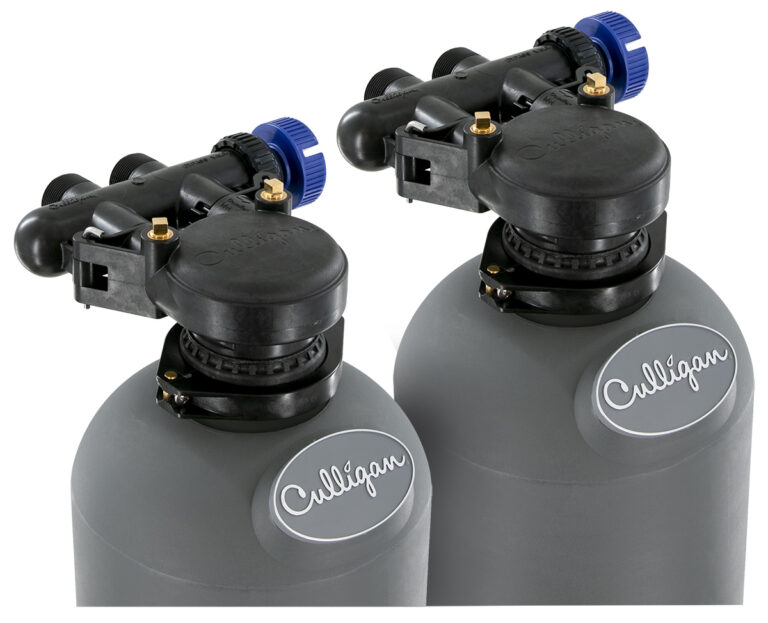
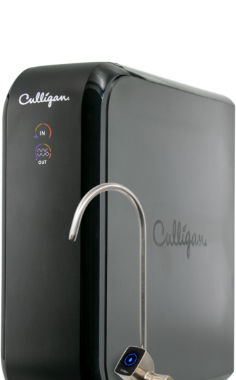
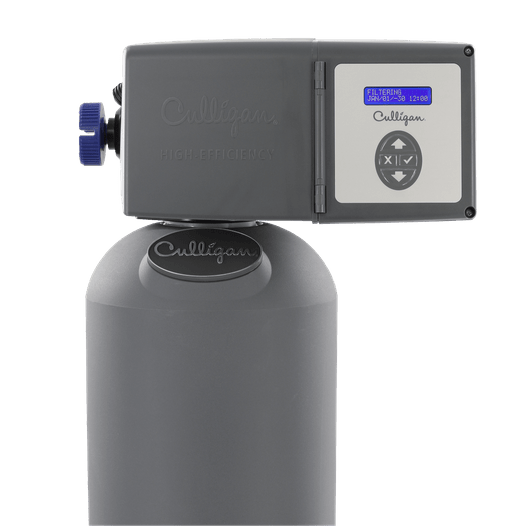
A common setup for Towson homes is whole-home carbon filtration paired with under-sink reverse osmosis. Carbon filtration can help reduce chlorine taste, odor, and certain disinfection byproducts throughout the home. Reverse osmosis is often used for drinking and cooking water because it can help reduce PFAS, nitrate, lead, fluoride, and other dissolved substances at the kitchen sink.
Where can I get a local tap water quality report?
You can access the most recent Towson Tap Water Quality Report through the local water utility. Culligan can also help you review what is showing up in your local water and recommend filtration options based on your home, plumbing, and drinking water goals.
Testimonials
Why Do Towson, MD
Homeowners LOVE Us?
We’re on well-based supply in the Towson area and wanted better tasting water at the sink. The RO system has been excellent.

Great service and no-pressure recommendations. The whole-home filter helped with smell and the water feels cleaner.
Tech was on time, explained maintenance clearly, and everything works exactly as promised.


Facebook